
Towards Fairer Recruitment: The Role of Ethical AI Tools in Reducing Bias in the Hiring Process

Towards Fairer Recruitment: The Role of Ethical AI Tools in Reducing Bias in the Hiring Process

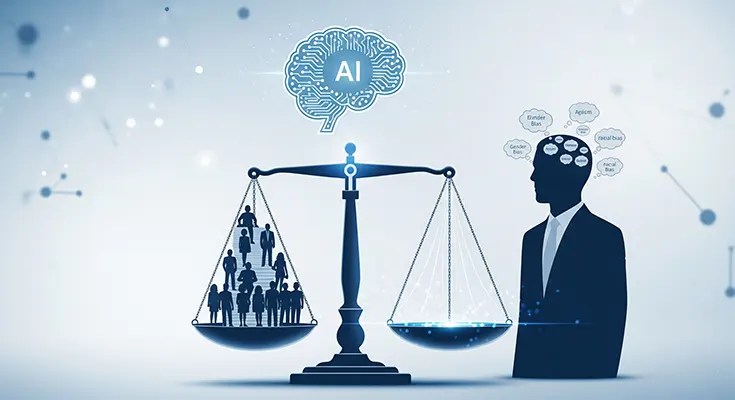
In the world of recruitment, bias—both conscious and unconscious—has long been a difficult challenge to overcome. Unintentional preferences for a particular name, school, or gender can unfairly eliminate highly qualified candidates.However, with the emergence of AI tools for reducing bias in the hiring process , we now have a revolutionary tool to build a fairer and more inclusive recruitment process.

These AI tools are designed with ethical principles to not only increase efficiency but also eliminate inherent human bias. They help companies focus evaluations on the single most important factors: a candidate’s qualifications, skills, and potential.

Sources of Bias in the Recruitment Process

Bias can creep into the recruitment process at various stages:

  • Job Description: The language used—such as “rockstar” or “aggressive”—can inadvertently alienate certain groups of candidates.
  • Resume Screening: Humans often make snap judgments based on unfamiliar-sounding names, educational institutions, or even gaps in work history.
  • Interviews: Confirmation bias
Towards Fairer Recruitment: The Role of Ethical AI Tools in Reducing Bias in the Hiring Process Read More
Smart Help at Your Fingertips: The Role of AI Chatbots for Technical Support in Online Computer Stores

Smart Help at Your Fingertips: The Role of AI Chatbots for Technical Support in Online Computer Stores

Amid the growing online shopping boom in Indonesia, online computer stores face unique challenges. Beyond selling products, they must also provide efficient technical support. Customers often have complex questions about product specifications, component compatibility, or even post-purchase issues. Providing a 24/7 human support team can be expensive and inefficient.

This is where AI chatbots for technical support come in as an innovative solution. These chatbots aren’t just assistants, but intelligent systems designed to provide instant, accurate, and relevant answers, transforming the way online computer stores interact with their customers.

Why Are AI Chatbots So Important?

Conventional customer support models, such as email and contact forms, are often slow. Customers have to wait for a response, which can take hours or even days. AI chatbots address this issue in several ways:

  • 24/7 Instant Response: Customers can get answers whenever they need them, whether it’s in the middle of the night while
Smart Help at Your Fingertips: The Role of AI Chatbots for Technical Support in Online Computer Stores Read More
Transforming the Recruitment Experience: The Role of AI Chatbots in Automating Interview Scheduling and Candidate Communication

Transforming the Recruitment Experience: The Role of AI Chatbots in Automating Interview Scheduling and Candidate Communication

In an era of increasingly fierce talent competition, companies in Indonesia are racing to attract and retain top talent. However, one of the biggest obstacles in the recruitment process is time-consuming and repetitive communication, especially when it comes to scheduling interviews. Swapping emails to find a time that works with the calendars of recruiters, hiring managers, and candidates is a slow and frustrating process, often causing high-quality candidates to move on to other companies with faster turnaround times.

This is where conversational AI chatbots for automating interview scheduling and candidate communication come in as a revolutionary solution.These intelligent tools transform static, reactive recruitment interactions into dynamic, efficient, candidate-centric processes.

Challenges of Conventional Communication in Recruitment

Traditional recruitment processes face several significant drawbacks:

  1. Candidate Ghosting: A lack of prompt communication after an application is submitted often leaves candidates feeling ignored. This can damage the company’s image and cause candidates to lose
Transforming the Recruitment Experience: The Role of AI Chatbots in Automating Interview Scheduling and Candidate Communication Read More
Are There Risks in DIY Approaches to CMMC Compliance Requirements

Are There Risks in DIY Approaches to CMMC Compliance Requirements

Trying to tackle CMMC compliance requirements without professional help seems appealing, especially for companies looking to cut costs. However, what looks straightforward can quickly spiral into unexpected trouble. Here’s a fresh look at the less obvious risks behind attempting DIY compliance.

Misinterpretation of Controls Leads to Critical Vulnerabilities

Misreading or misunderstanding CMMC level 1 requirements can open the door to major security vulnerabilities. Simple language in the guidelines can mask the complexity of proper implementation. Companies often think they’re doing everything right until a security breach shows otherwise, leaving them scrambling to fix overlooked gaps.

Even minor mistakes interpreting the CMMC level 2 requirements can escalate into serious risks. Controls might seem straightforward, but their real-world application is trickier. Without expert guidance, it’s easy to assume a control has been met when, in fact, the organization remains exposed to threats, leading to embarrassing compliance failures and damaging vulnerabilities.

Documentation Errors

Are There Risks in DIY Approaches to CMMC Compliance Requirements Read More
AI-powered product recommendation engine for building custom PCs

AI-powered product recommendation engine for building custom PCs

What Makes AI-Powered Recommendation Engines Different?

Traditional recommendation systems often rely on simple rules or collaborative filtering. A rule-based system might suggest a CPU cooler simply because it’s in the “cooling” category. Collaborative filtering, as used on many e-commerce sites, recommends products based on what other users with similar browsing or purchasing habits have bought. While effective for simple products, these methods fall short for the intricate task of building a PC, where component compatibility is a non-negotiable requirement.

AI-powered engines go much further by using a hybrid approach that combines various data points.

  • Content-Based Filtering: The AI analyzes the attributes of each PC component—such as the socket type of a motherboard, the power draw of a graphics card, or the form factor of a case—to ensure compatibility. For instance, if you select an AMD CPU, the AI will only recommend motherboards with a compatible AMD socket.
  • Collaborative Filtering: It
AI-powered product recommendation engine for building custom PCs Read More