

Defining the Future: Leveraging Predictive Analytics and AI for Talent Needs Forecasting

Defining the Future: Leveraging Predictive Analytics and AI for Talent Needs Forecasting

In a dynamic job market, the ability to look ahead is an invaluable competitive advantage. For companies in Indonesia, this means shifting from reactive recruitment—filling vacancies when employees leave—to proactive recruitment—preparing teams for future business needs.This is where the role of predictive analytics and AI for forecasting talent needs becomes crucial.

By combining internal and external data, these powerful tools enable Human Resources (HR) teams to go beyond guesswork and instead forecast talent needs with data-driven precision.This is a fundamental shift that transforms recruitment into a strategic, future-oriented business function.

Difference Between Traditional and Predictive Forecasting

Traditional talent demand forecasting is typically based on simple historical data and intuition. Analysts will look at last year’s employee turnover rate and project the same figure into the following year. This method has significant limitations: it fails to account for market fluctuations, projected business growth, or emerging industry trends.

Predictive analytics and AI …

Defining the Future: Leveraging Predictive Analytics and AI for Talent Needs Forecasting Read More
Maximizing Sales, Reducing Losses: Using AI for Inventory Management in an Online Computer Store

Maximizing Sales, Reducing Losses: Using AI for Inventory Management in an Online Computer Store

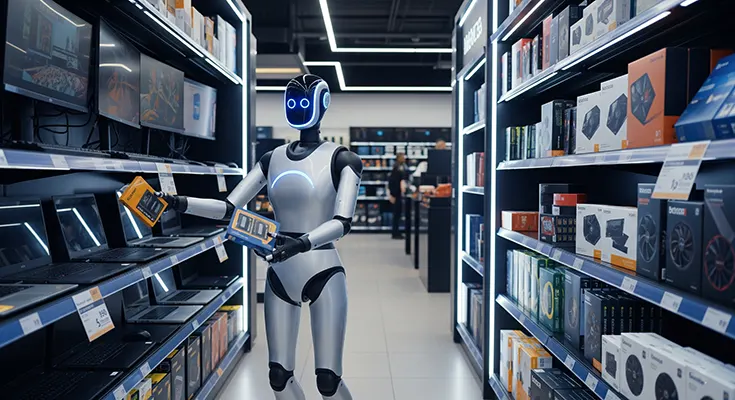
In the world of e-commerce, particularly in online computer retail, inventory management is a delicate art. Overstocking can lock up capital and increase storage costs. Too little stock (stockouts) can lead to lost sales and disappointed customers. In the past, balancing these two relied on guesswork, limited historical data, and painstaking manual labor.

Now, AI for inventory management in online computer stores has changed this paradigm. Artificial intelligence (AI) is not just a tool, but a predictive brain that helps business owners make smarter, more profitable decisions. AI analyzes data in ways that humans cannot, providing precise insights to optimize every aspect of the supply chain.

How AI Is Changing the Inventory Management Game

AI brings intelligence to the inventory process by focusing on three key areas:

1. Accurate and Dynamic Demand Forecasting

Traditional demand forecasting relies on historical sales data. However, AI goes further by analyzing a broader and …

Maximizing Sales, Reducing Losses: Using AI for Inventory Management in an Online Computer Store Read More
Towards Fairer Recruitment: The Role of Ethical AI Tools in Reducing Bias in the Hiring Process

Towards Fairer Recruitment: The Role of Ethical AI Tools in Reducing Bias in the Hiring Process

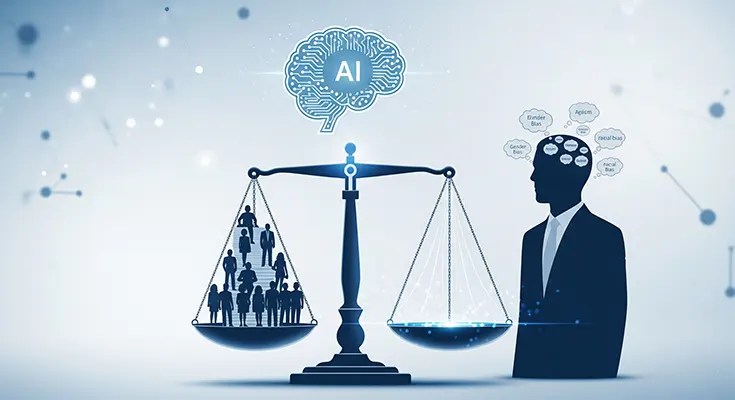
In the world of recruitment, bias—both conscious and unconscious—has long been a difficult challenge to overcome. Unintentional preferences for a particular name, school, or gender can unfairly eliminate highly qualified candidates.However, with the emergence of AI tools for reducing bias in the hiring process , we now have a revolutionary tool to build a fairer and more inclusive recruitment process.

These AI tools are designed with ethical principles to not only increase efficiency but also eliminate inherent human bias. They help companies focus evaluations on the single most important factors: a candidate’s qualifications, skills, and potential.

Sources of Bias in the Recruitment Process

Bias can creep into the recruitment process at various stages:

  • Job Description: The language used—such as “rockstar” or “aggressive”—can inadvertently alienate certain groups of candidates.
  • Resume Screening: Humans often make snap judgments based on unfamiliar-sounding names, educational institutions, or even gaps in work history.
  • Interviews: Confirmation bias
Towards Fairer Recruitment: The Role of Ethical AI Tools in Reducing Bias in the Hiring Process Read More
Smart Help at Your Fingertips: The Role of AI Chatbots for Technical Support in Online Computer Stores

Smart Help at Your Fingertips: The Role of AI Chatbots for Technical Support in Online Computer Stores

Amid the growing online shopping boom in Indonesia, online computer stores face unique challenges. Beyond selling products, they must also provide efficient technical support. Customers often have complex questions about product specifications, component compatibility, or even post-purchase issues. Providing a 24/7 human support team can be expensive and inefficient.

This is where AI chatbots for technical support come in as an innovative solution. These chatbots aren’t just assistants, but intelligent systems designed to provide instant, accurate, and relevant answers, transforming the way online computer stores interact with their customers.

Why Are AI Chatbots So Important?

Conventional customer support models, such as email and contact forms, are often slow. Customers have to wait for a response, which can take hours or even days. AI chatbots address this issue in several ways:

  • 24/7 Instant Response: Customers can get answers whenever they need them, whether it’s in the middle of the night while
Smart Help at Your Fingertips: The Role of AI Chatbots for Technical Support in Online Computer Stores Read More
Transforming the Recruitment Experience: The Role of AI Chatbots in Automating Interview Scheduling and Candidate Communication

Transforming the Recruitment Experience: The Role of AI Chatbots in Automating Interview Scheduling and Candidate Communication

In an era of increasingly fierce talent competition, companies in Indonesia are racing to attract and retain top talent. However, one of the biggest obstacles in the recruitment process is time-consuming and repetitive communication, especially when it comes to scheduling interviews. Swapping emails to find a time that works with the calendars of recruiters, hiring managers, and candidates is a slow and frustrating process, often causing high-quality candidates to move on to other companies with faster turnaround times.

This is where conversational AI chatbots for automating interview scheduling and candidate communication come in as a revolutionary solution.These intelligent tools transform static, reactive recruitment interactions into dynamic, efficient, candidate-centric processes.

Challenges of Conventional Communication in Recruitment

Traditional recruitment processes face several significant drawbacks:

  1. Candidate Ghosting: A lack of prompt communication after an application is submitted often leaves candidates feeling ignored. This can damage the company’s image and cause candidates to lose
Transforming the Recruitment Experience: The Role of AI Chatbots in Automating Interview Scheduling and Candidate Communication Read More